> For the complete documentation index, see [llms.txt](https://epsilla-inc.gitbook.io/epsilladb/llms.txt). Markdown versions of documentation pages are available by appending `.md` to page URLs; this page is available as [Markdown](https://epsilla-inc.gitbook.io/epsilladb/team-member-management.md).
# Team Member Management
Managing team members in Epsilla allows organizations to easily collaborate with multiple users and manage project access across the team. Follow the steps below to invite and manage members in your organization. Free Tier can have only 1 team member (the creator themselves). and Starter Tier organization can have 2 team members. Professional Tier organization can have up to 20 team members, while Enterprise Tier organization can have unlimited team members.
### **Accessing Team Management**
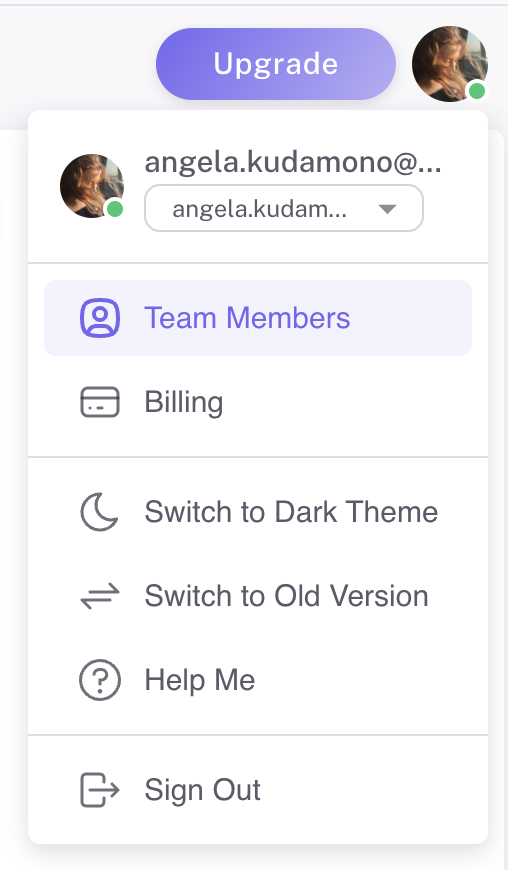
* **Step 1:** Click on your profile icon in the top-right corner.
* **Step 2:** In the dropdown menu, select the **Team Members** option.
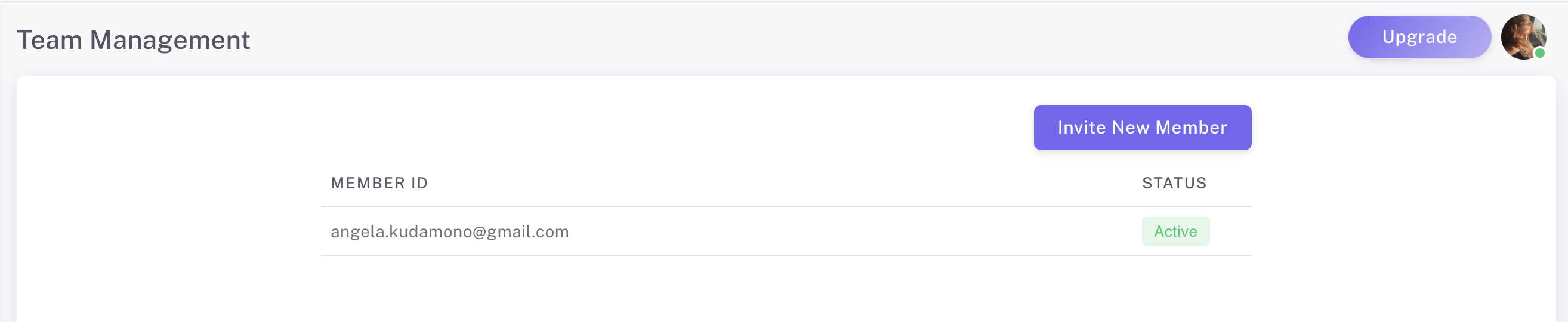
This will open the **Team Management** interface where you can view and manage the current team members.
Once in the **Team Management** section, you'll see a list of current team members, with columns displaying their **Member ID** (email) and **Status**.
* **Active Status:** Indicates a member has accepted the invitation and is actively part of the team.
* **Invited Status:** Indicates a pending invitation that hasn't been accepted by the recipient yet.
### **Inviting New Members**
To add new members to your organization, follow these steps:
* **Step 1:** In the Team Management interface, click the **Invite New Member** button located at the top-right.
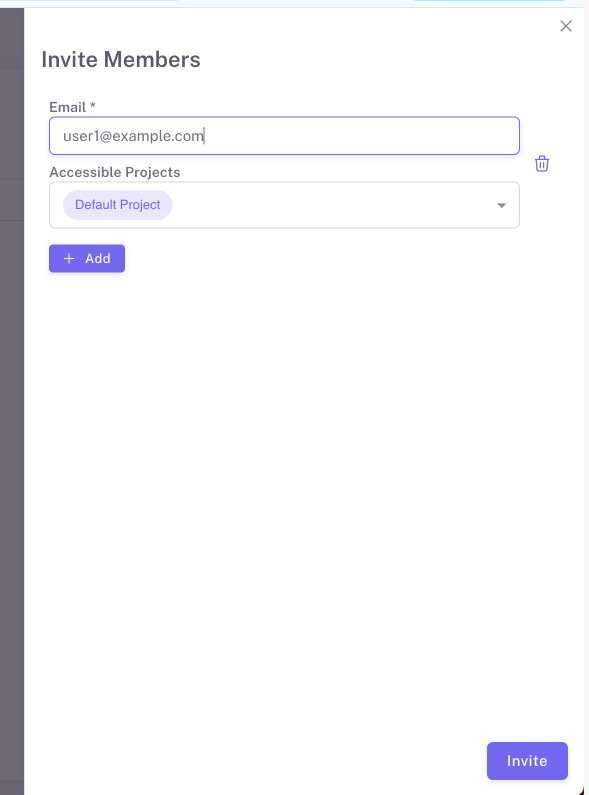
* **Step 2:** A pop-up window will appear. Enter the email address of the member you want to invite in the **Email** field. You can invite more than one users by clicking the **+ Add** button.
* **Step 3:** Under **Accessible Projects**, select which project(s) the new member(s) will have access to.
* **Step 4:** Once done, click **Invite** to send the invitation.
### **Member Invitation Email**
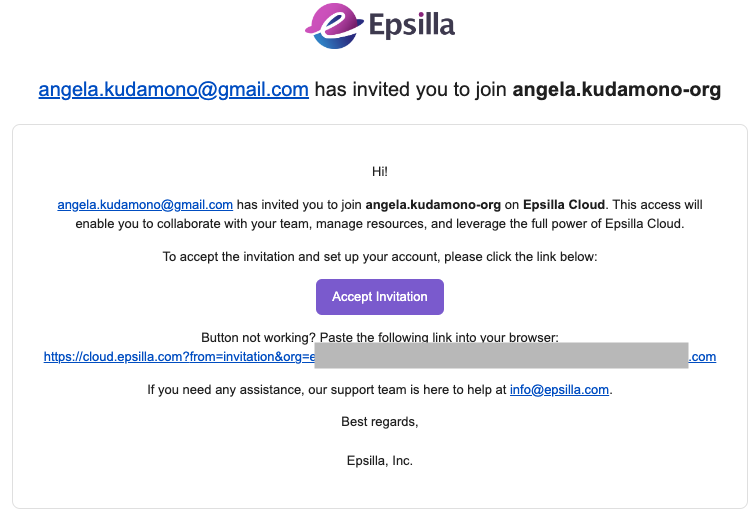
Once an invitation is sent, the invited user will receive an email from Epsilla, like the following:
* The email contains a message that they've been invited to join your organization.
* The recipient must click the **Accept Invitation** button in the email to complete the process and activate their account.
If they are having trouble with the button, a direct invitation link is also provided.
Continue reading about [Project Management](/epsilladb/project-management.md) and managing team members' access to projects.